
Products
If you are experiencing issues with hard water in your home, then a domestic water softening plant could be the solution for you. Hard water is caused by an excess of minerals such as calcium and magnesium, which can cause problems such as scale buildup in pipes and appliances, skin irritation, and difficulty in lathering soap. A domestic water softening plant can remove these minerals from the water supply, providing you with softer and cleaner water. In this blog post, we will explore the benefits of a domestic water softening plant and the different types available on the market.
A domestic water softening plant can provide numerous benefits to your home, including reduced scale buildup, improved skin and hair health, and better-tasting water. There are several types of domestic water softening plants available on the market, including salt-based, salt-free, and dual-tank systems.
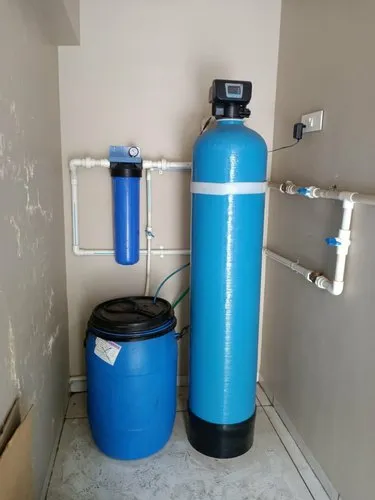
One of the main benefits of a domestic water softening plant is that it can significantly reduce scale buildup in pipes and appliances. This is because soft water contains fewer minerals that can cause scaling, which can damage your plumbing and appliances over time. By reducing scale buildup, you can extend the lifespan of your plumbing and appliances, saving you money in the long run.
Hard water can cause skin irritation, dryness, and even exacerbate skin conditions such as eczema. Soft water, on the other hand, is gentle on the skin and can help to improve its overall health. Soft water can also improve the condition of your hair, making it softer and more manageable.
This plant treats water used in cooling towers, heat exchangers, and air conditioning systems. The process aims to prevent scaling, corrosion, and biological growth.
When you have hard water, you may find that you need to use more cleaning products to get the same results as with soft water. This is because hard water can cause soap scum buildup, making it harder to clean surfaces effectively. By installing a domestic water softening plant, you can reduce the amount of cleaning products you use and save money on your household expenses.
Hard water can have a metallic or bitter taste, which can be unpleasant to drink. Soft water, on the other hand, has a clean and fresh taste, making it more enjoyable to drink. By removing the excess minerals from the water supply, a domestic water softening plant can significantly improve the taste and quality of your drinking water.
Salt-Based Water Softeners
Salt-based water softeners are the most common type of domestic water softening plant. They work by replacing the minerals in the water with sodium ions, which do not cause scaling. Salt-based water softeners require regular maintenance, as the salt needs to be replenished periodically.
Salt-Free Water Softeners
Salt-free water softeners work by altering the chemical structure of the minerals in the water, so they do not adhere to surfaces and cause scaling. They do not require salt, making them a more environmentally-friendly option. However, salt-free water softeners are generally less effective than salt-based systems and are better suited for mild to moderate hard water issues.
Dual-Tank Water Softeners
Dual-tank water softeners are a type of salt-based water softener that use two tanks to ensure a continuous supply of soft water. When one tank is regenerating, the other tank takes over, providing a constant supply of soft water. Dual-tank water softeners are more expensive than single-tank systems, but they are more efficient and provide a consistent supply of soft water.


