
Products
Water is a precious resource, and it is essential that we use it responsibly. One of the biggest challenges facing industries today is the management of wastewater. The traditional approach of discharging wastewater into the environment is not sustainable and can have serious environmental consequences. This is where the Zero Liquid Discharge (ZLD) Plant comes into play. In this article, we will explore what a ZLD plant is, how it works, and its importance in sustainable wastewater management.
A Zero Liquid Discharge Plant uses a combination of physical, chemical, and biological treatment processes to remove contaminants from wastewater.
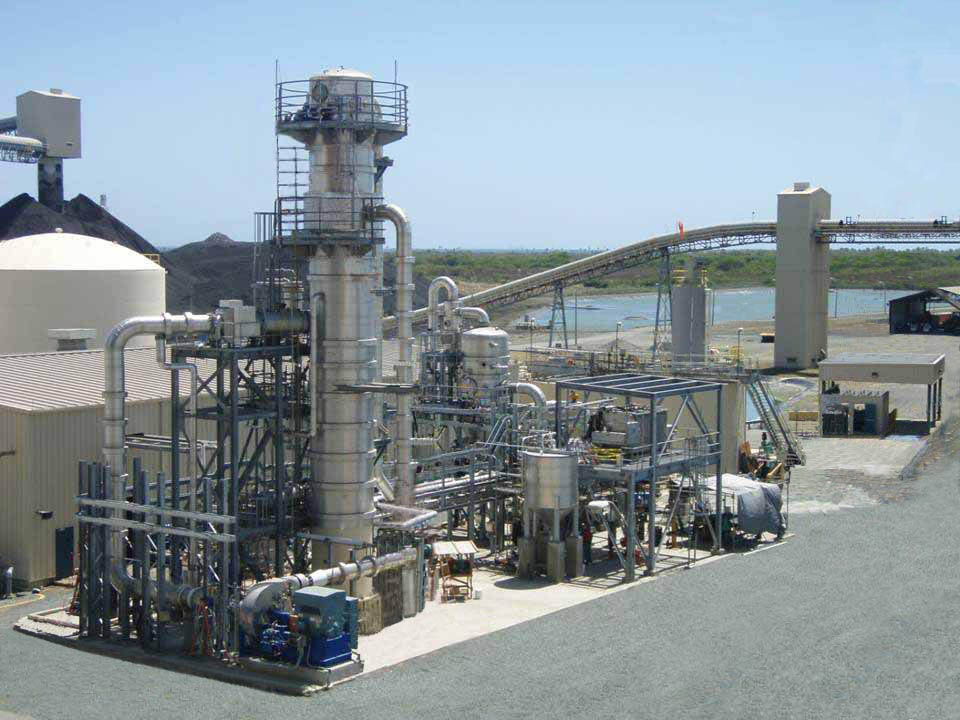
Pre-treatment: In this stage, wastewater is screened to remove large objects such as rocks, branches, and plastics.
Primary treatment: In this stage, physical and chemical processes are used to remove suspended solids, oils, and greases from the wastewater.
Secondary treatment: In this stage, biological treatment processes are used to remove organic matter, nitrogen, and phosphorus from the wastewater.
Tertiary treatment: In this stage, advanced treatment processes such as reverse osmosis, ultrafiltration, and evaporation are used to remove dissolved solids and other contaminants from the wastewater.
Solids handling: In this stage, the solid waste generated during the treatment process is removed and disposed of safely.
Environmentally friendly: A ZLD plant eliminates liquid waste discharge, which helps to protect the environment from pollution.
Water conservation: A ZLD plant recovers and recycles water, reducing the demand for freshwater and preserving this precious resource.
Regulatory compliance: A ZLD plant helps industries comply with stringent environmental regulations related to wastewater management.
Cost-effective: While the initial capital cost of a ZLD plant can be high, the long-term operational costs are typically lower than traditional wastewater treatment systems.


